Furnaces
Fire Resistance Test Furnaces
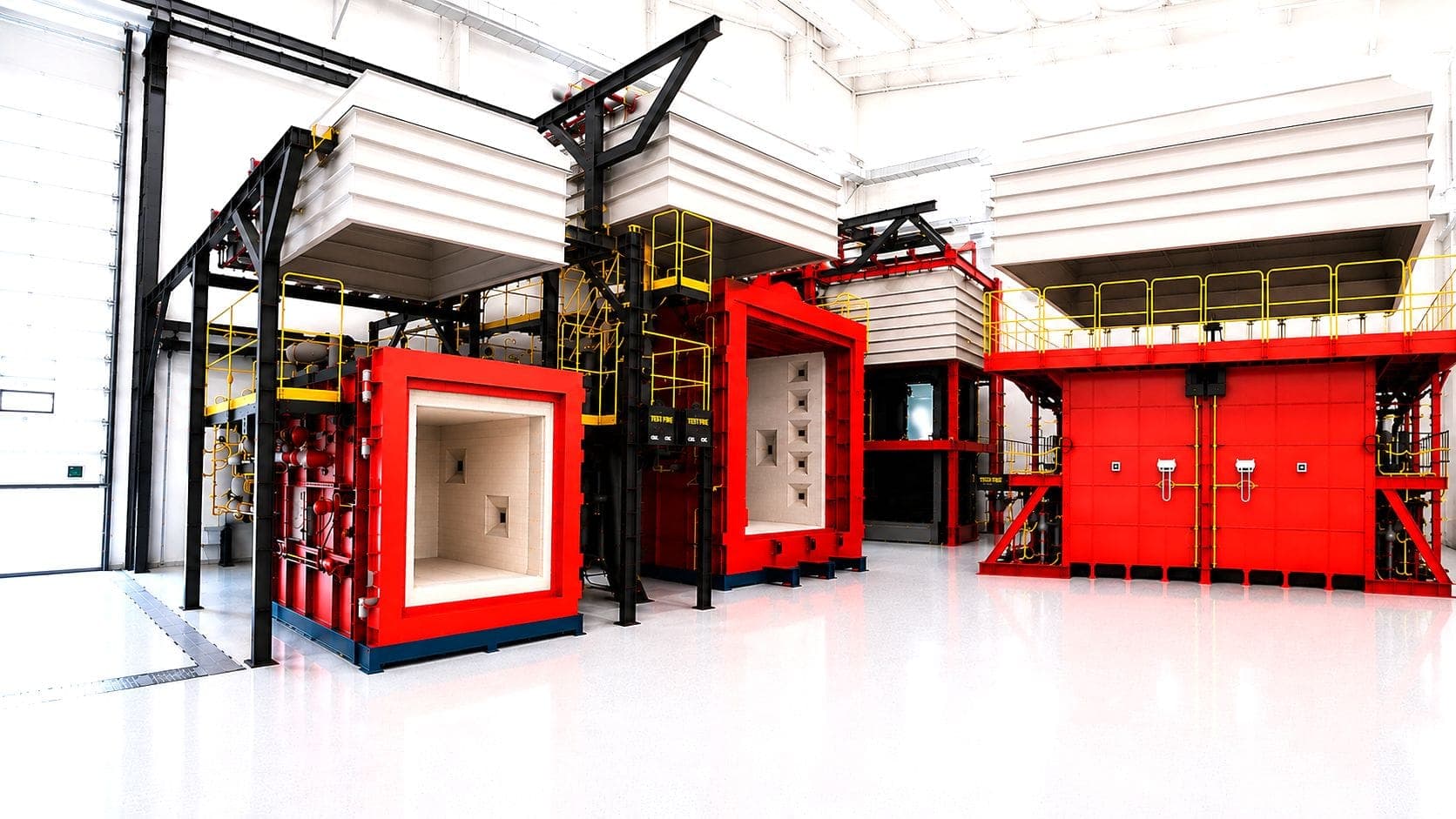
Fire resistance test furnaces developed to meet the requirements of authorized test laboratories for verification and proof of fire rating. Fully automatic, built for decades of accredited operation.
Built for Accredited Fire Testing
What the Furnaces Test
- Fire doors & shutters
- Walls & partitions
- Load-bearing elements
- Columns & beams
- Ventilation ducts & dampers
- Cable barriers
- Glazed screens
- Penetration & linear joint seals
- Ship decks & bulkheads
- Tunnel sections
- Lift landing doors
- Aviation components
Five Furnace Configurations
Five configurations cover the full scope of fire resistance testing. Every configuration is fully automatic with manual override, with pre-cast refractory blocks for rapid repair and long-life refractory lining.
 01
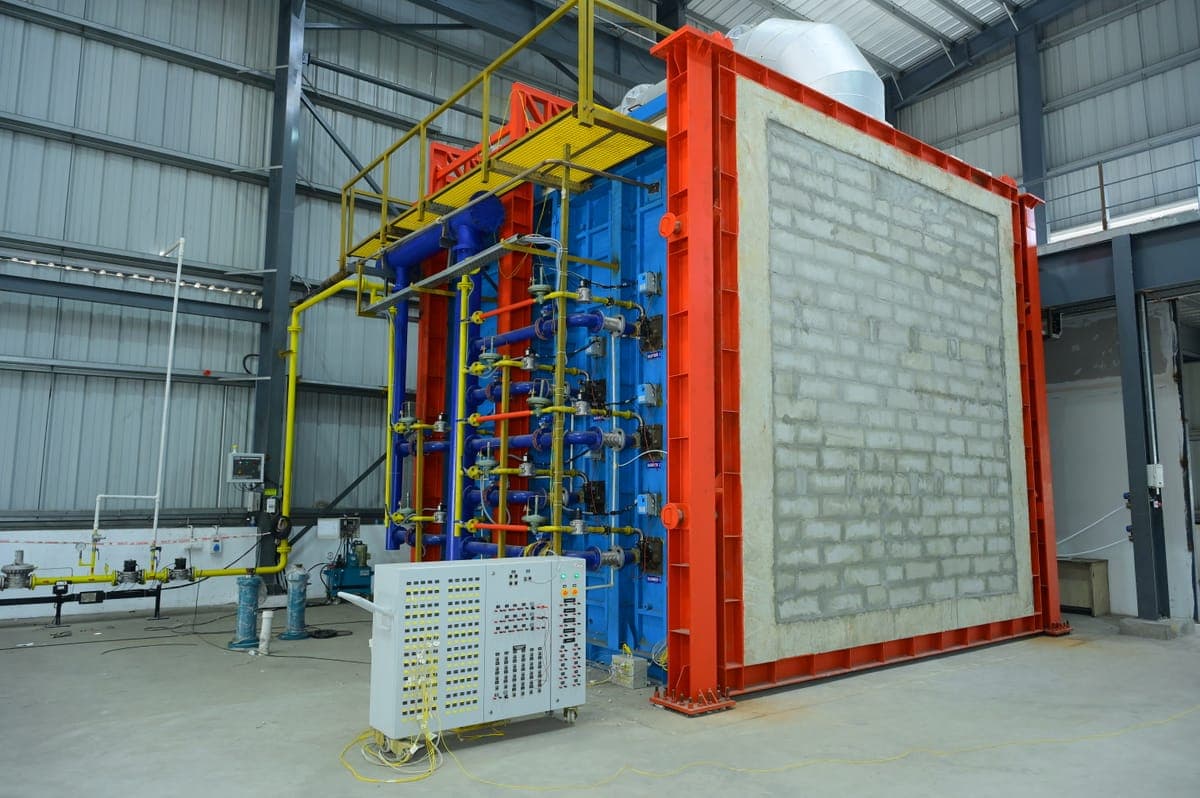
01Vertical Fire Resistance Test Furnace
Large-scale fire resistance testing for walls, doors, façades, glazing, penetration and joint systems, ducts and dampers.
Learn more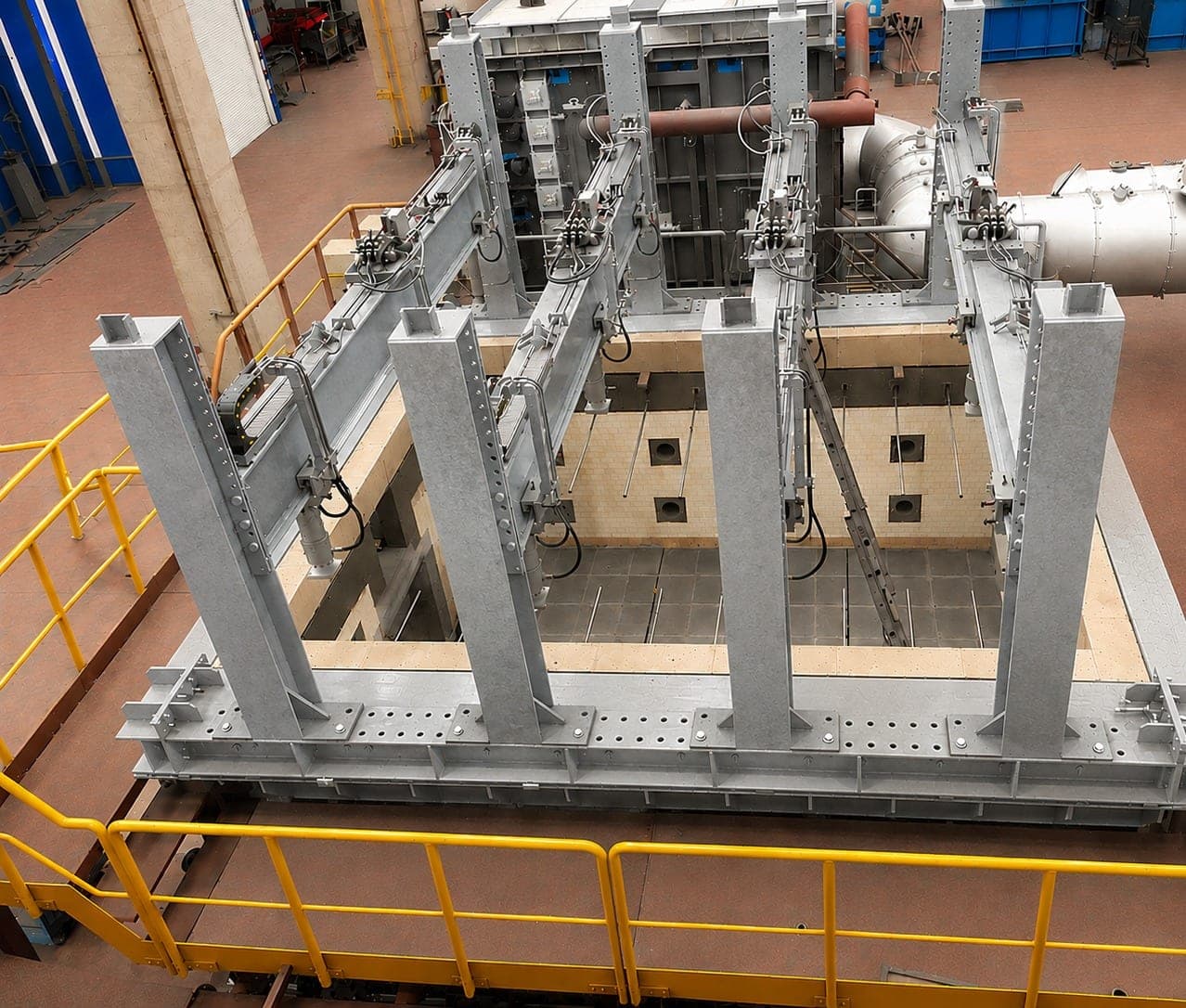 02
02Horizontal Fire Resistance Test Furnace
Fire resistance testing for floors, roofs and structural assemblies with project-specific support and loading configurations.
Learn more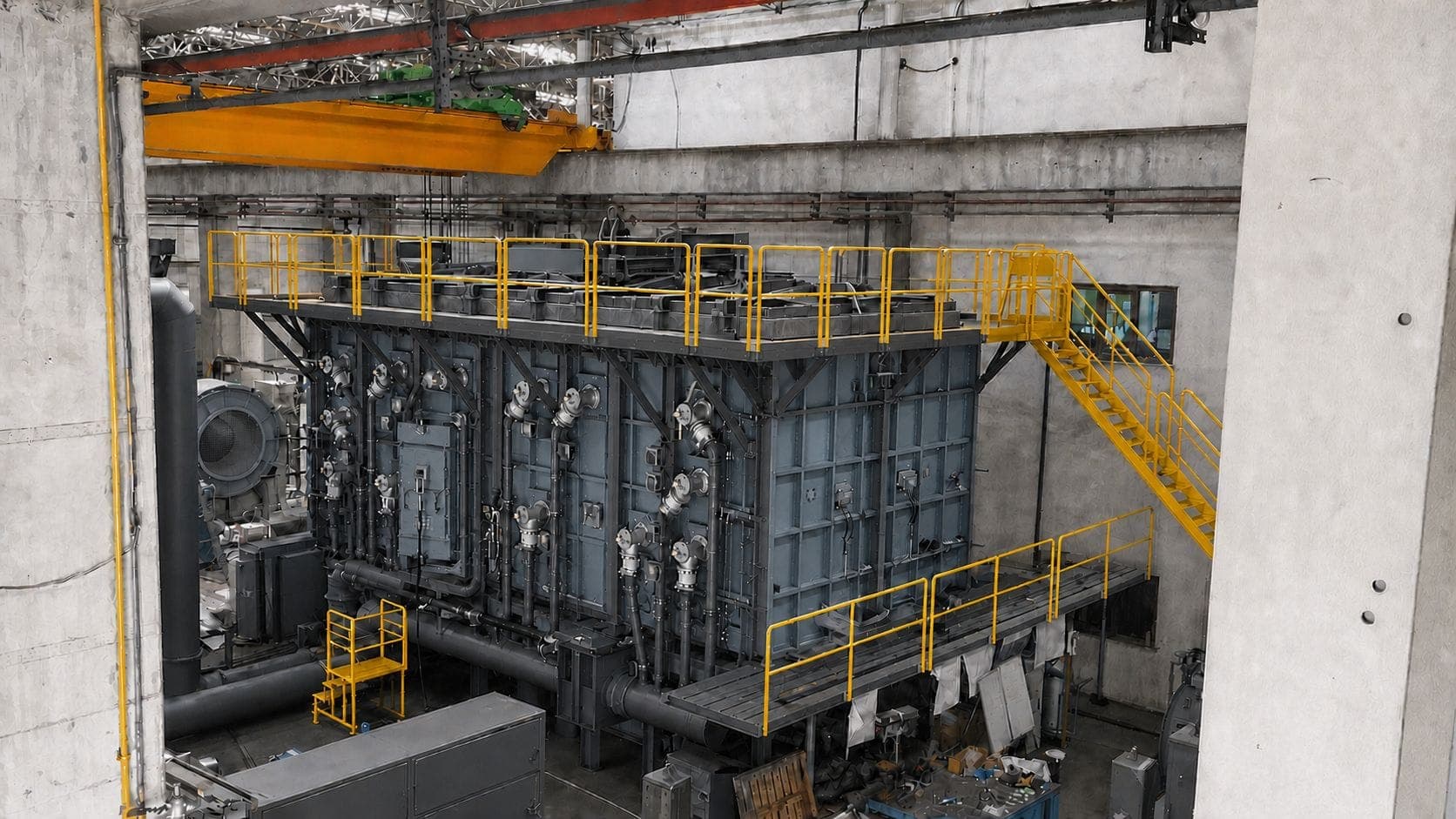 03
03Combi Fire Resistance Test Furnace
Horizontal, vertical and corner testing in a single unit for mixed laboratory workloads.
Learn more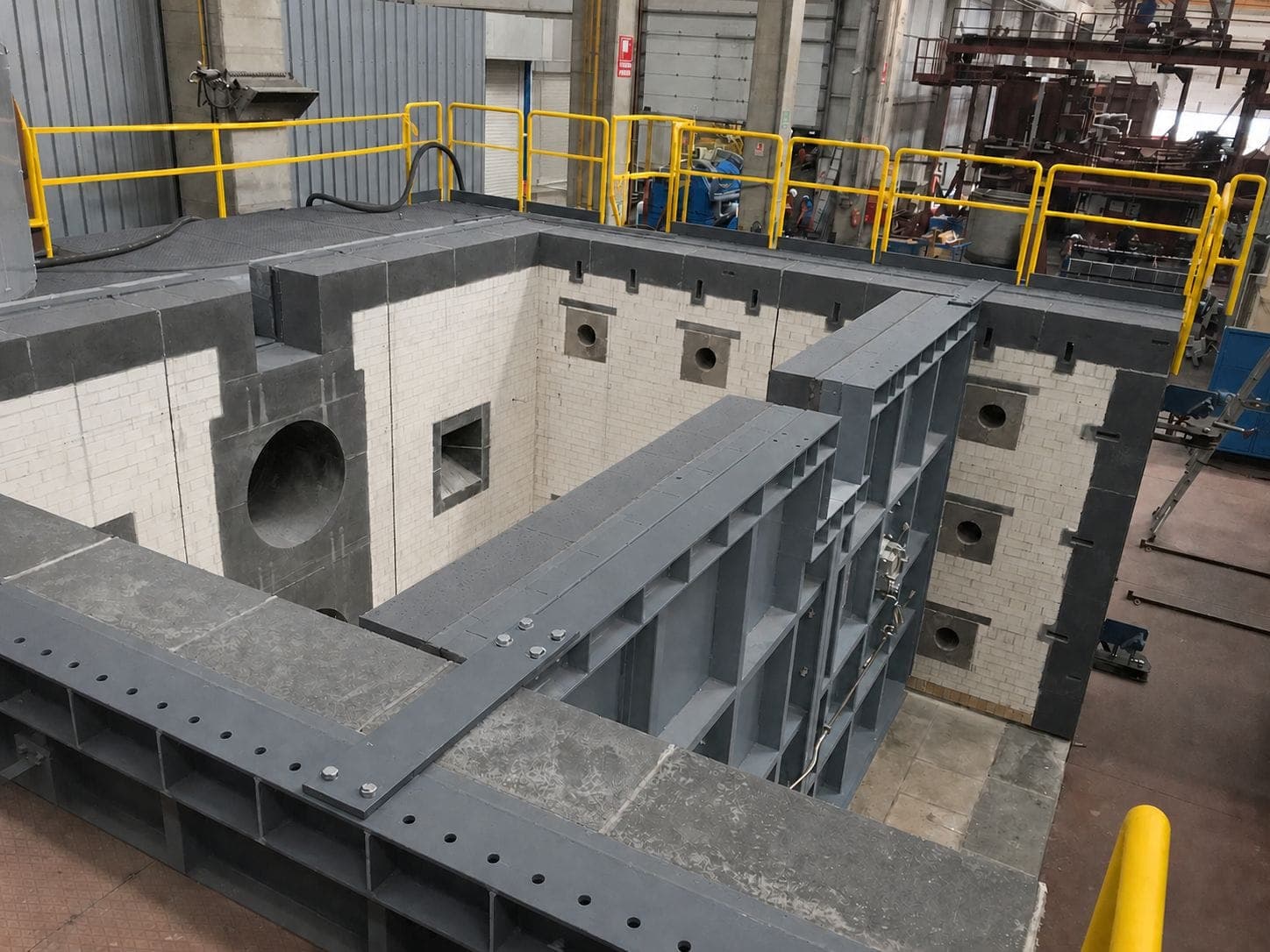 04
04Flexy Grand Combi Furnace
Modular 2 × 1 m architecture for oversized and non-standard specimens, with optional load-bearing frame.
Learn more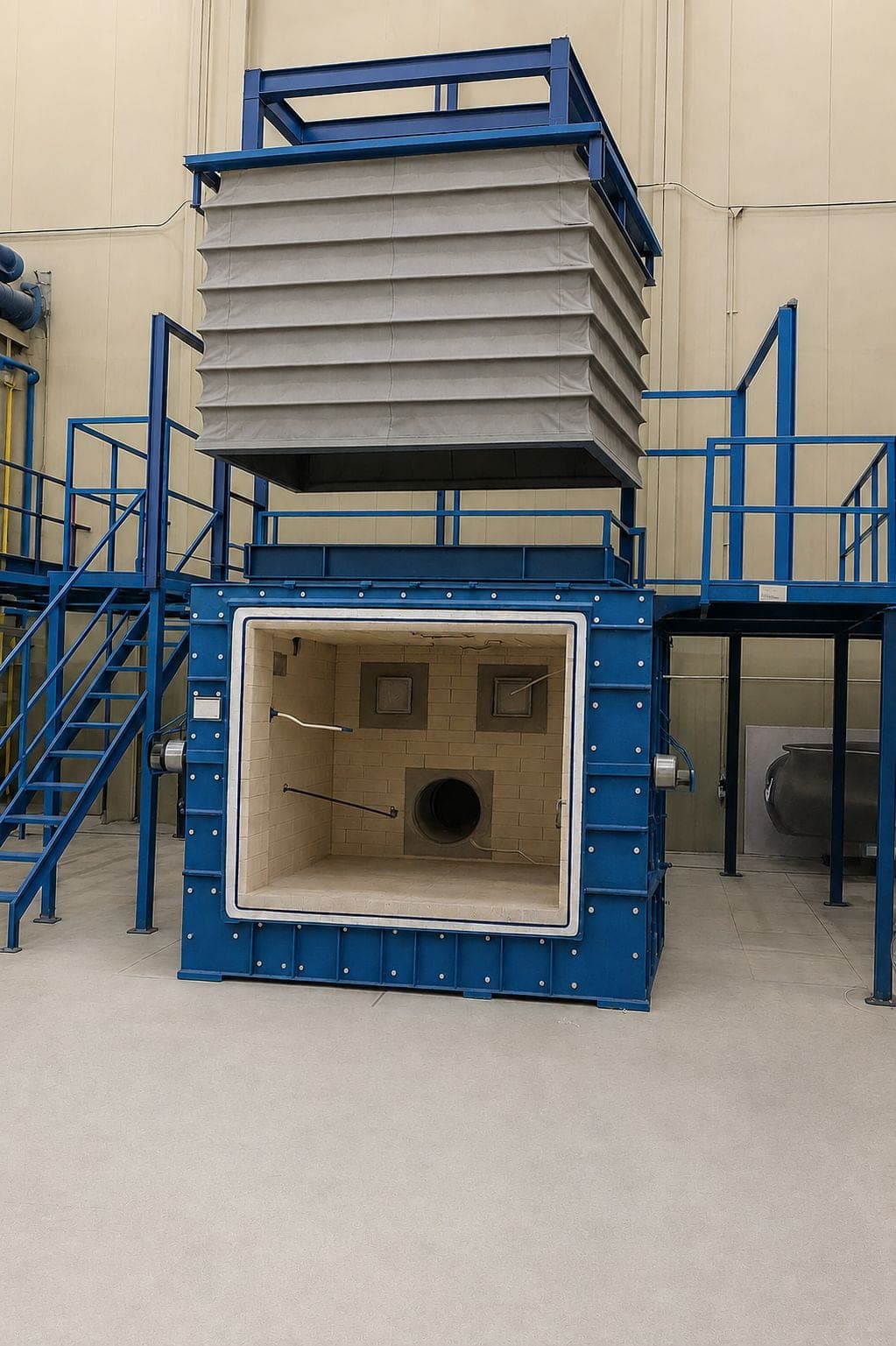 05
05Indicative Fire Resistance Test Furnace
Compact furnace for development, research and preliminary testing with vertical or horizontal specimen configurations.
Learn more
- Configuration
- Vertical (Wall)
- Orientation
- Vertical
- Typical use
- Doors, walls, partitions, glazed screens
- Key characteristic
- Full-scale certification testing
- Configuration
- Horizontal (Floor)
- Orientation
- Horizontal
- Typical use
- Floors, ceilings, ducts, penetration seals
- Key characteristic
- Load-bearing test capability
- Configuration
- Combi
- Orientation
- Both + corner
- Typical use
- Mixed laboratory workloads
- Key characteristic
- One furnace: horizontal, vertical and corner tests
- Configuration
- Flexy Grand Combi
- Orientation
- Reconfigurable
- Typical use
- Oversized and non-standard specimens
- Key characteristic
- Modular 2 × 1 m architecture
- Configuration
- Indicative
- Orientation
- Both
- Typical use
- R&D and pre-certification trials
- Key characteristic
- Compact 1.5 × 1.5 × 1.5 m chamber
One Furnace, Every Major Fire Curve
- Furnace pressure control: ±2 Pa within the specified pressure range
- Fire curves: ISO 834, slow heating, HC, HCM, RABT, RWS and project-specific curves
- Maximum temperature capability: up to 1,350 °C, depending on furnace configuration
- Burner power: configurable according to furnace size and required fire curve
- Control: fully automatic PLC/SCADA operation with manual override
- Fuel options: natural gas or light fuel oil, according to project requirements
Maximum temperature, burner power and curve set are specified per project; 1,350 °C is the capability ceiling of the range, not the rating of every furnace.
Standards and fire curvesBuilt for Decades of Service
Refractory Construction
- High-alumina refractory materials selected according to furnace temperature and duty
- Insulating refractory layers designed to reduce heat losses and external surface temperatures
- Low-thermal-mass construction for controlled thermal response
- Modular refractory design to facilitate inspection, maintenance and replacement
- Engineered expansion joints to accommodate thermal movement and reduce deformation
Steel Structure
- Heavy-duty welded steel structure engineered for repeated thermal cycling
- Structural design adapted to furnace dimensions, specimen loads and laboratory configuration
- Furnace casing and reinforcement designed for dimensional stability during testing
- Accessible construction for inspection and maintenance
- Surface protection and finishing according to project and environmental requirements
Independent PLC per Furnace
All functions are controlled by an independent Siemens SIMATIC S7-1500 PLC for each furnace, with an audible and visual alarm system, full data logging and remote diagnostics. Temperature, pressure and actuator data are logged for the complete test record.
Request Information
Discuss Your Project
Contact STARKOS to define your test programme, standards, specimen dimensions, instrumentation and laboratory requirements.